Ventilation and damp evidence for Scottish homes.
Independent assessments for housing associations, local authorities, private landlords and letting agents — built around Awaab’s Law, the Tolerable and Repairing Standards, and Section 3.14 of the Building Standards.
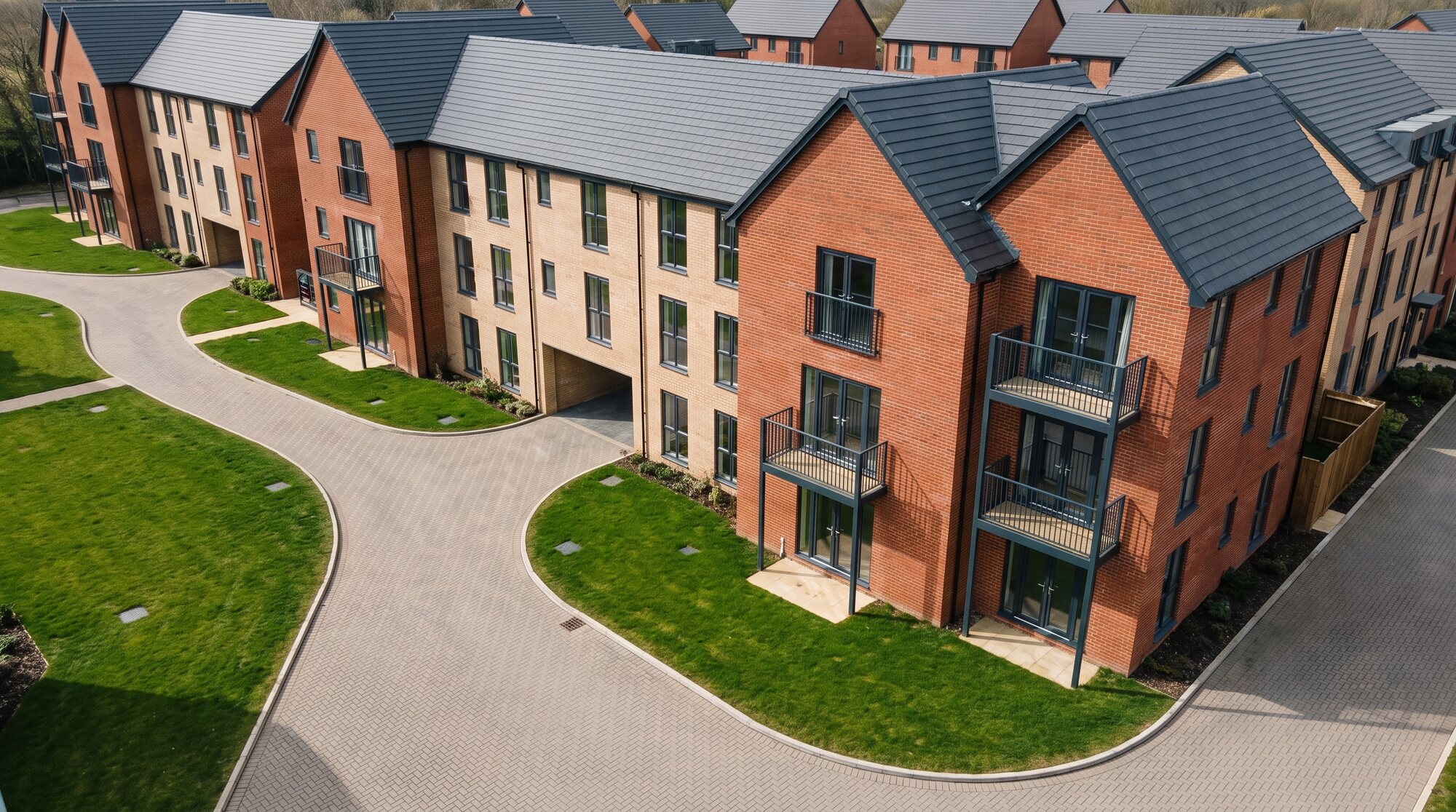 Social housing · Scotland
From a single tenant report to a whole stock programme.
Awaab’s Law damp & mould investigations
Root-cause investigation of reported damp or mould within the 10-working-day window: moisture profiling, surface and dew-point temperatures, thermal imaging, ventilation performance and occupancy factors.
- Written summary in the format the Regulations expect
- Distinguishes condensation, penetrating and rising damp
- Prioritised repair actions to start within 5 working days
Ventilation performance testing
Measured extract rates at every fan and cooker hood, trickle-vent provision, make-up air paths and whole-dwelling ventilation — compared against Building Standards 3.14 and BS 5250.
- Calibrated anemometer and capture-hood readings
- Continuous (dMEV/MEV/MVHR) and intermittent systems
- Commissioning verification for new installs
PAS 2035 ventilation assessments
Pre-retrofit ventilation assessments and post-works checks for insulation and energy-efficiency programmes, so fabric upgrades don’t create the next condensation problem.
- Whole-dwelling ventilation strategy
- Upgrade recommendations for wet rooms
- Documentation for retrofit coordinators
Indoor air quality monitoring
Data-logged relative humidity, temperature and CO₂ over one to four weeks, revealing when and where moisture builds up — evidence that separates building defects from lifestyle factors fairly.
Ventilation design & specification
Independent specification of the right system for the property — dMEV, centralised MEV, MVHR or PIV — with rates, positions and ducting set out for your contractor to price and install.
Stock programmes & policy support
Sample surveys, risk-based prioritisation, standard report templates and training for repairs teams — helping housing associations evidence SHQS, the Charter and their damp and mould policy.
What a landlord in Scotland is actually held to.
Scotland has its own rules — not Part F, not the English Awaab’s Law. Our reports quote the Scottish standard that applies to your tenancy, and nothing else.
Awaab’s Law — Investigation and Commencement of Repair (Scotland) Regulations 2026
In force from 6 October 2026 for private tenancies, Scottish secure and short Scottish secure tenancies. Investigate within 10 working days of notification; written summary within 3 working days of the investigation ending; commence repairs within 5 working days. Social landlords must complete qualifying repairs within 20 working days and pay compensation for missed timescales; private tenancies are enforced through the First-tier Tribunal.
Tolerable Standard — Housing (Scotland) Act 1987
The baseline every Scottish home must meet, including being “substantially free from rising or penetrating damp” and having “satisfactory provision for natural and artificial lighting, for ventilation and for heating”. It underpins both the Repairing Standard and the SHQS.
Repairing Standard — private landlords
Under the Housing (Scotland) Act 2006, privately rented homes must be wind- and water-tight and reasonably fit for human habitation, with installations for ventilation in reasonable repair and proper working order. Statutory guidance was updated in 2024. Failures can lead to a Repairing Standard Enforcement Order or rent relief.
SHQS & the Scottish Social Housing Charter — social landlords
Social landlords report annually to the Scottish Housing Regulator. The Scottish Housing Quality Standard requires homes to meet the Tolerable Standard and be free from serious disrepair; the Charter’s quality-of-housing outcomes and updated technical guidance put damp and mould squarely in scope.
Building Standards Technical Handbook — Section 3.14 Ventilation
Scotland’s technical benchmark for ventilation in new and altered dwellings: 30 l/s kitchen extract adjacent to the hob (60 l/s elsewhere), 15 l/s bathrooms, 30 l/s utility rooms, 3 ach for WCs; trickle ventilators of 12,000 mm² for apartments and 10,000 mm² for wet rooms; mechanical systems where infiltration falls below 5 m³/h/m² @ 50 Pa.
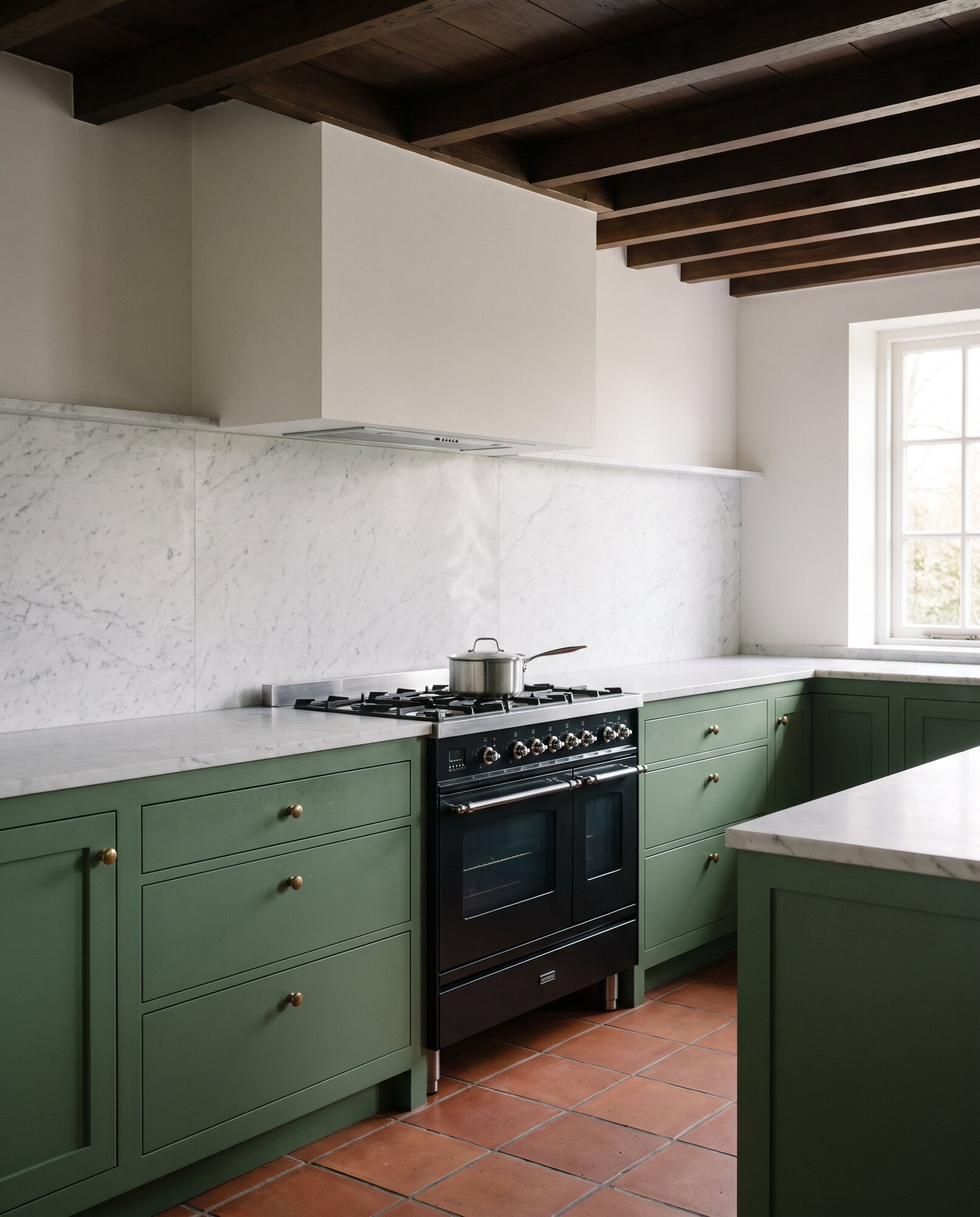 Kitchen extract & trickle ventilation
Inside the 10-working-day window.
Get ahead of the 6 October deadline.
Book single investigations or talk to us about a programme for your stock.